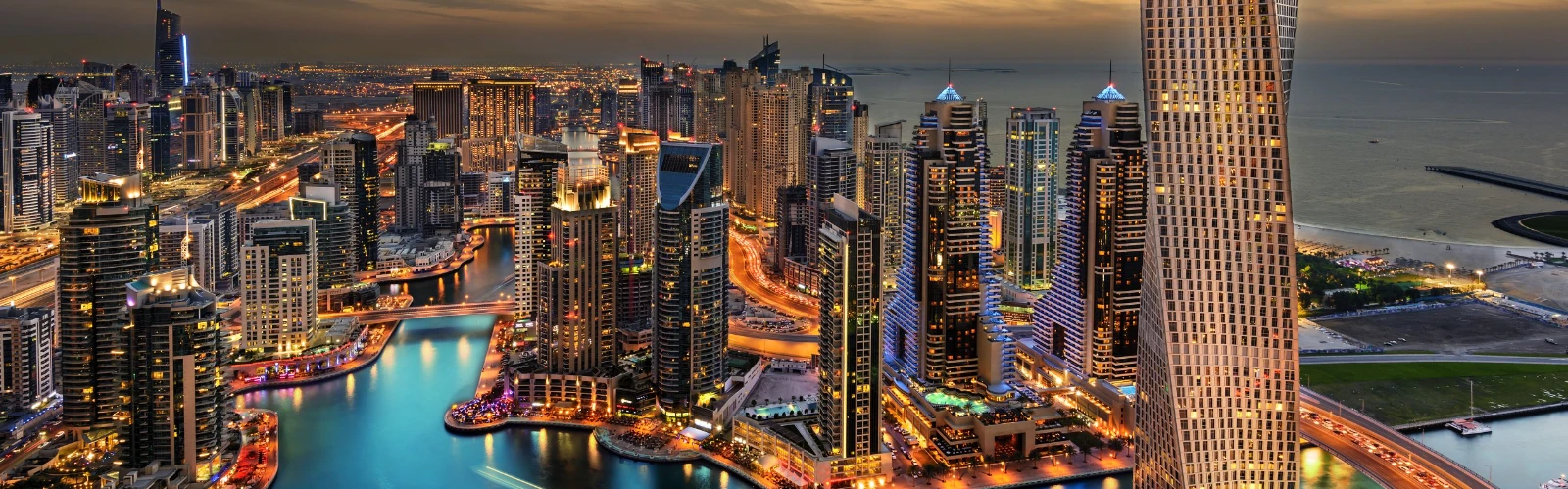
Dubai vs. New Dubai: A Contrast of History and Futuristic Skyline

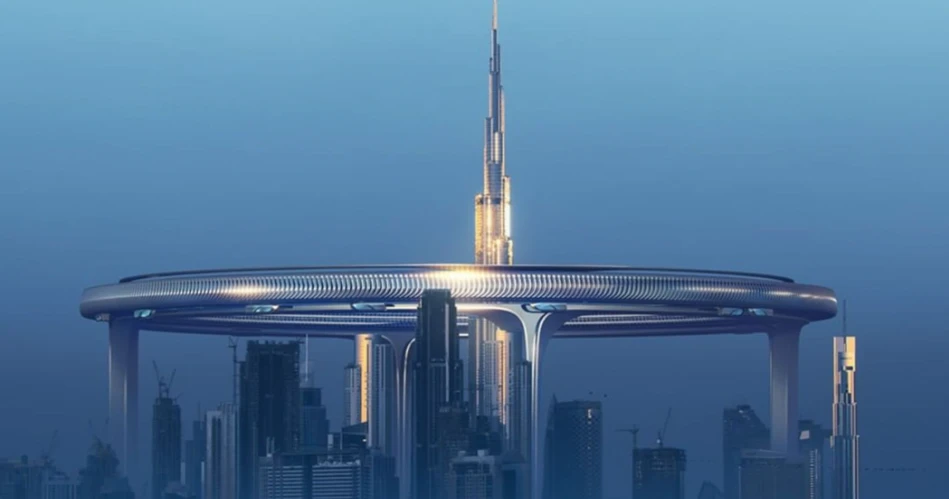
Dubai serves up a seriously iconic plot twist: one side is all souks, wind towers, and timeless charm, while the other goes full futuristic with skyscrapers, luxury, and skyline drama.
Dubai, also known as the City of Gold and the City of the Future, is a beautiful city situated on the southeastern coast of the Arabian Peninsula in the United Arab Emirates. The city is known for its luxury lifestyle, historic souks, vibrant culture, skyscrapers, architecture, and wide range of attractions offering a fascinating combination of heritage and technology.
From Old Dubai, which is focused on the Al Fahidi neighborhood, wind tower houses, souks, and the city’s trading roots, to New Dubai, which is filled with futuristic landmarks, luxury shopping experiences, and skyscrapers like Burj Khalifa. In this blog, we will discover the defining attractions, architecture, culture, food, and character of Old Dubai vs. New Dubai.
Keep reading and explore the remarkable journey of Dubai from tradition to tomorrow!
What is Old Dubai?
Old Dubai is the historic heart of Dubai that is shaped by the waters of Dubai Creek and its early trading communities. Long before the modern skyline emerged, fishermen, pearl divers, and merchants from India, East Africa, and Persia helped establish Dubai as a regional trading center. Old Dubai is home to districts such as Al Fahidi, Bur Dubai, and Deira that preserve its heritage through low-rise buildings, narrow lanes, traditional courtyards, and wind tower architecture adapted to the desert climate.
The creek connected the local markets with wider trade routes, bringing goods, people, and cultural influences to the city. Today, Old Dubai has a unique multicultural character and features traditional markets, local cafes, and famous restaurants offering a glimpse into the city’s life before its transformation into a global metropolis.
Al Fahidi neighborhood of Old Dubai
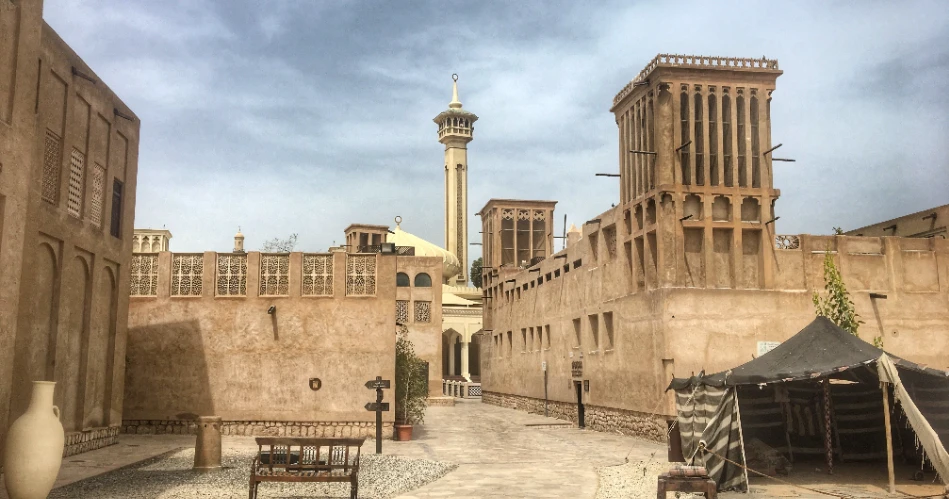
Al Fahidi Historical Neighbourhood, formerly known as Bastakiya, is a famous Dubai historic district and is situated beside Dubai Creek in Bur Dubai. It dates back to the late 19th century and features sand-colored courtyard houses, wooden doors, narrow lanes, and barjeel wind towers that are designed to channel cooling breezes before air conditioning. Today, the restored buildings are home to museums, art galleries, cultural spaces, and cafes, and host traditional events such as the Sikka Art and Design Festival. The neighborhood is free to explore and connects easily with the Textile Souk and Dubai Creek abra jetties. The best time to visit is from November to March, particularly early morning or late afternoon, when cooler temperatures and golden-hour light make walking and photography more comfortable.
Address: Al Fahidi Historical Neighbourhood, Bur Dubai, Dubai, United Arab Emirates.
Attractions To Visit In Al Fahidi Neighborhood
Al Fahidi Historical Neighbourhood is home to charming heritage houses, museums, cultural centers, art galleries, and traditional cafes. Its narrow lanes and wind-tower buildings offer a glimpse into Dubai’s past and make it a great place to explore the city’s history and culture.
Sheikh Mohammed Centre for Cultural Understanding
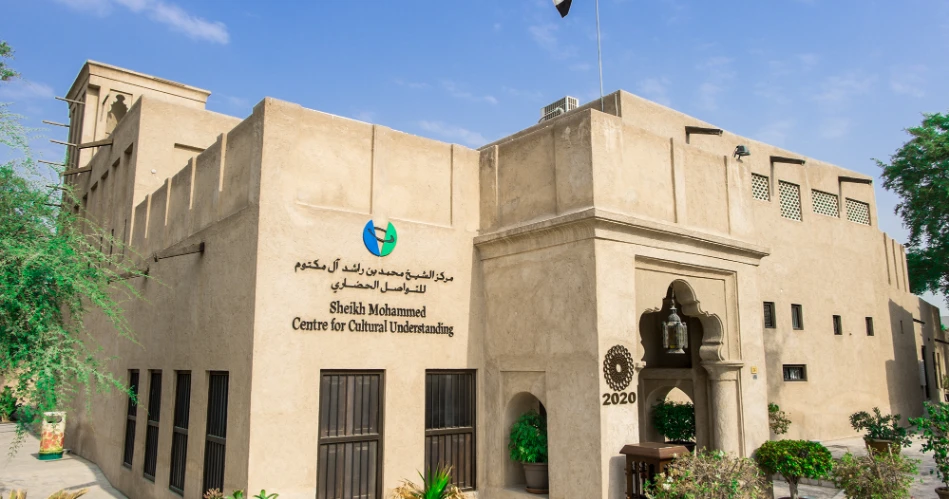
The Sheikh Mohammed Centre for Cultural Understanding is a non-profit cultural center that is situated in a restored wind-tower house in Al Fahidi Historical Neighbourhood. Its main feature is to introduce visitors to Emirati culture, customs, traditions, religion, and everyday life while also encouraging open dialogue between cultures.
The key experiences in the center include guided heritage walks, mosque visits, cultural discussions, and traditional Emirati meals. While enjoying cultural meals, visitors can sit on Bedouin-style carpets and cushions while Emirati hosts serve local dishes and answer questions about UAE traditions, dress, family life, and religion.
The center has a motto, “Open Doors, Open Minds,” that reflects its welcoming approach to discussion, including sensitive questions. Programs operate at scheduled times, so advance booking is recommended.
Address: House 26 & 47, Al Fahidi Historical Neighbourhood, Al Musallah Street, Bur Dubai, Dubai, United Arab Emirates.
Coffee Museum
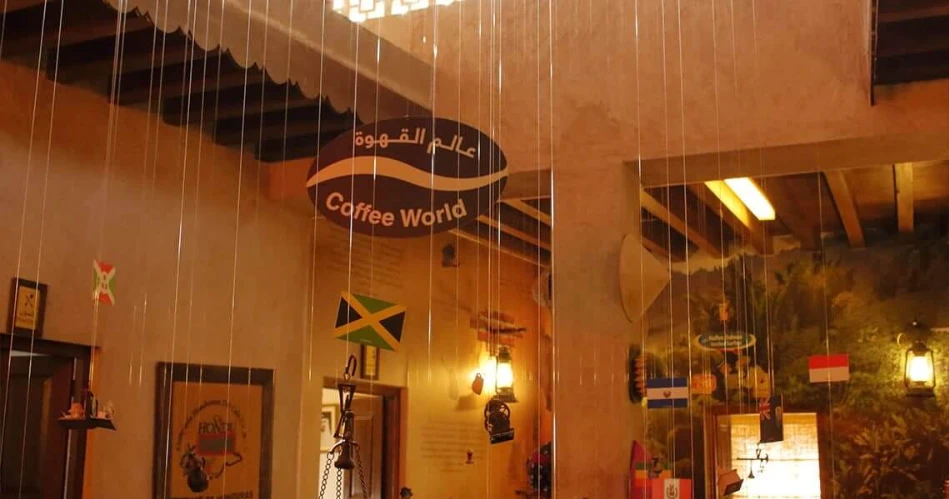
The Dubai Coffee Museum is situated within the narrow lanes of Al Fahidi Historical Neighbourhood and allows visitors to explore coffee’s history, cultural importance, and preparation traditions. The museum consists of two floors and displays antique coffee grinders, brewing pots, roasters, weighing scales, kettles, and other equipment.
Visitors can learn about traditional Arabic coffee preparation, including everything from selecting and roasting beans to grinding and brewing them. The museum is also home to a restored majlis room that is furnished with carpets, cushions, and traditional dallah coffee pots, offering visitors insight into Emirati coffee customs and hospitality.
The upper floor of the museum features coffee books and historic maps tracing the global journey of coffee. Entry to the museum is free, and there is also a museum shop on the ground floor to enhance the experience.
Address: Al Fahidi Historical Neighbourhood, Bur Dubai, Dubai, United Arab Emirates.
Coin Museum
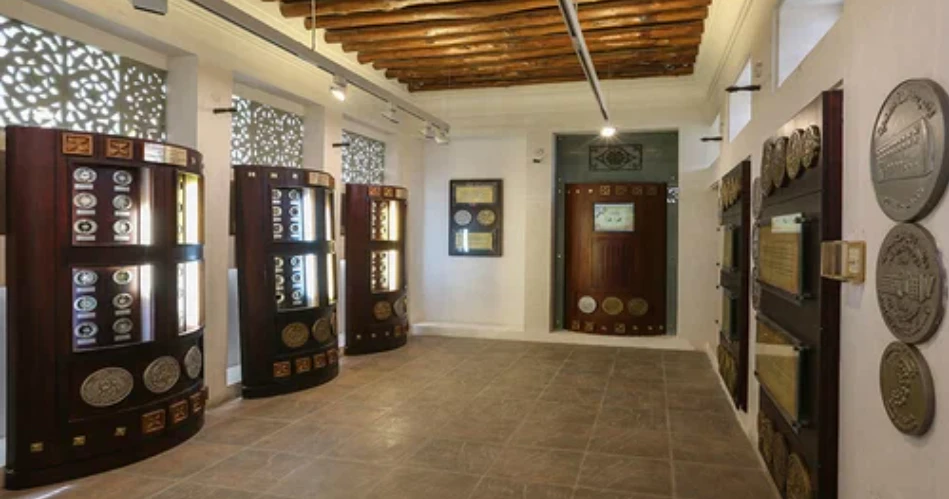
The Coins Museum is also situated in the Al Fahidi neighborhood of Old Dubai and showcases rare coins that span important periods of Middle Eastern history, with some coins dating back to the 7th century. This museum was opened in 2004 and is housed in a traditional Arabian building that is constructed from coral, plaster, stone, palm materials, and sandalwood.
The museum features eight rooms inside that trace the development of regional currency and cover the Arab-Sasanian, Abbasid, and Umayyad periods, along with coins from Egypt, Turkey, North Africa, the Levant, Iraq, and the Arabian Peninsula.
It is also home to display cabinets and magnifying screens that allow visitors to examine each coin closely, while touchscreens provide details about its metal, shape, size, minting date, imagery, and inscriptions.
Address: Al Fahidi Historical Neighbourhood, Al Souq Al Kabeer, Dubai, United Arab Emirates.
Al Fahidi Fort and Dubai Museum
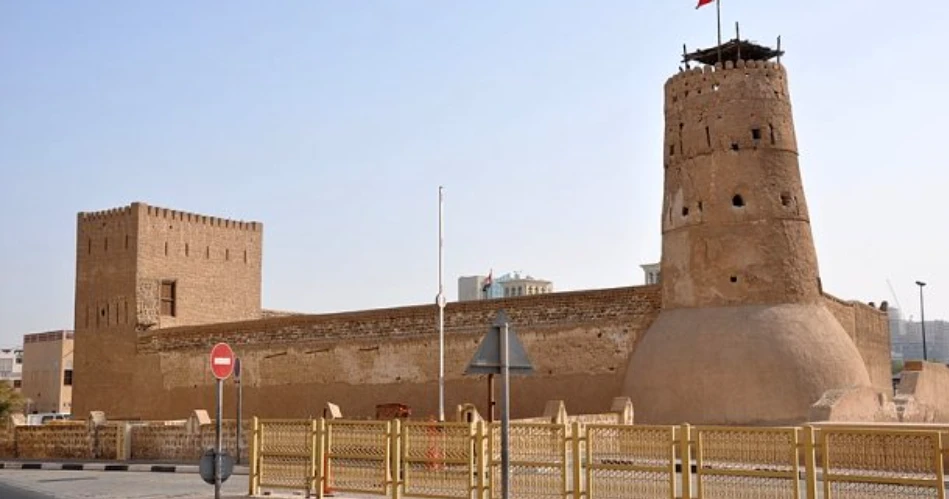
Al Fahidi Fort was constructed in 1787 and is the oldest existing building in Dubai and one of the most famous historic attractions in Dubai. The fort is situated in the historic Al Fahidi area and has served as a royal residence, weapons store, defensive stronghold, and prison. In 1971, it was reopened as the Dubai Museum, showcasing the transformation of Dubai from a small trading and pearl-diving community into a modern city.
The exhibits in the museum feature pre-oil life through displays of traditional homes, souks, desert life, fishing, and pearl diving. However, the museum and fort remain closed for restoration in 2026, with no confirmed reopening date. Visitors can still view the historic exterior of the fort.
Address: Al Fahidi Fort, Al Fahidi Street, Bur Dubai, Dubai, United Arab Emirates. (Waze)
Other Old Dubai Attractions
In addition to the Al Fahidi Historical Neighbourhood, Old Dubai also offers several experiences that showcase the traditional character of the city. Al Seef, which stretches about 1.8 kilometers along Dubai Creek, combines heritage-inspired architecture, winding sikkas, souk-style shops, and Creekside restaurants.
If you are looking for a traditional experience in the city, cross Dubai Creek by abra, which are the wooden boats that have connected the historic districts on both sides of the waterway for centuries. Old Dubai is also home to the Deira district, which is known for its souks.
Visit Gold Souk, which displays a large collection of gold jewelry, and the nearby Spice Souk, which is filled with dried fruits, local teas, saffron, za’atar, cardamom, and sumac. These attractions together show the waterfront culture, tradition, and rich history of Dubai.
Address — Al Seef: Al Seef Street, opposite the USA Embassy, Dubai Creekside, Dubai, United Arab Emirates.
Address — Gold Souk: Deira, Dubai, United Arab Emirates.
Address — Spice Souk: Baniyas Street, Al Ras, Deira, Dubai, United Arab Emirates.
What is New Dubai?
New Dubai represents the modern and luxurious identity of Dubai that is shaped by its rapid urban development, world-class infrastructure, and architecture. It is centered around areas such as Downtown Dubai, Jumeirah Beach Residence, Dubai Marina, and Palm Jumeirah, and contrasts with the traditional character of Old Dubai. The area is famous for its towering skyscrapers, upscale hotels, designer shopping, entertainment venues, and popular attractions.
Downtown Dubai is home to the iconic Burj Khalifa, while Dubai Marina is known for its beautiful skyline and waterfront promenade. Palm Jumeirah showcases the large-scale engineering of Dubai through its palm-shaped artificial island and luxury resorts.
These districts of New Dubai demonstrate the transformation of Dubai from a historic trading settlement to a globally recognized city that is known for its tourism, business, luxury, and modern living style.
The icon of New Dubai - Burj Khalifa
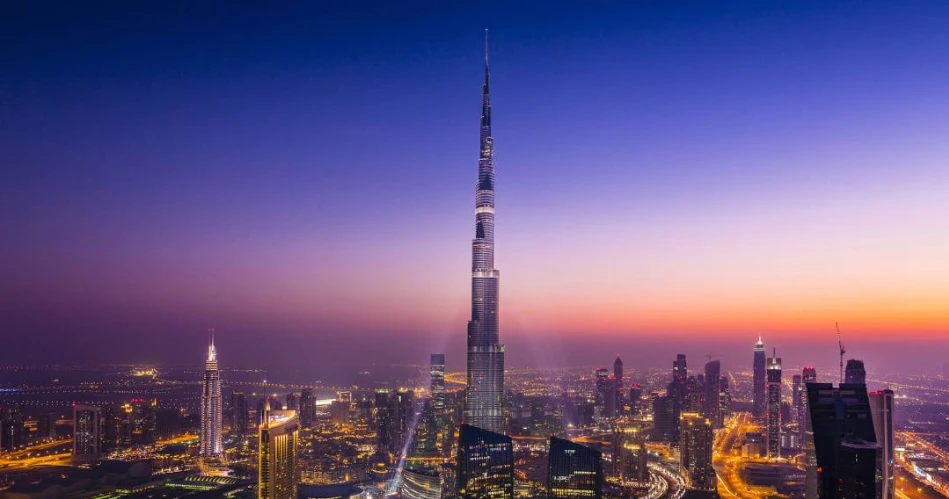
The Burj Khalifa is the centerpiece of New Dubai and the tallest building in the world, which stands 828 meters tall and features 163 floors. It was designed by Skidmore, Owings and Merrill (SOM), and construction began in 2004; the tower opened to the public in 2010. It features a unique reinforced-concrete structure that is inspired by the Hymenocallis flower, and its 242-meter spire completes its beautiful appearance.
Visitors can ascend to At the Top on the 124th and 125th floors by elevator to enjoy breathtaking views of Downtown Dubai, the Arabian Gulf, and the surrounding desert.
Moreover, you can also visit the 148th-floor observation deck, which is approximately 555 meters above ground and provides an even higher vantage point. The tower also contains luxury residences, offices, restaurants, and the Atmosphere dining venue on the 122nd floor, making it one of the best examples of futuristic architecture Dubai has to offer.
Address: 1 Mohammed Bin Rashid Boulevard, Downtown Dubai, United Arab Emirates.
Other Famous Attractions In New Dubai
New Dubai is packed with iconic landmarks, modern entertainment venues, luxury shopping destinations, and futuristic architectural wonders. From the world-famous Dubai Mall and Dubai Fountain to the Museum of the Future, Dubai Opera, Dubai Frame, and Burj Al Arab, these attractions showcase the city’s bold, modern, and luxurious side.
Dubai Mall
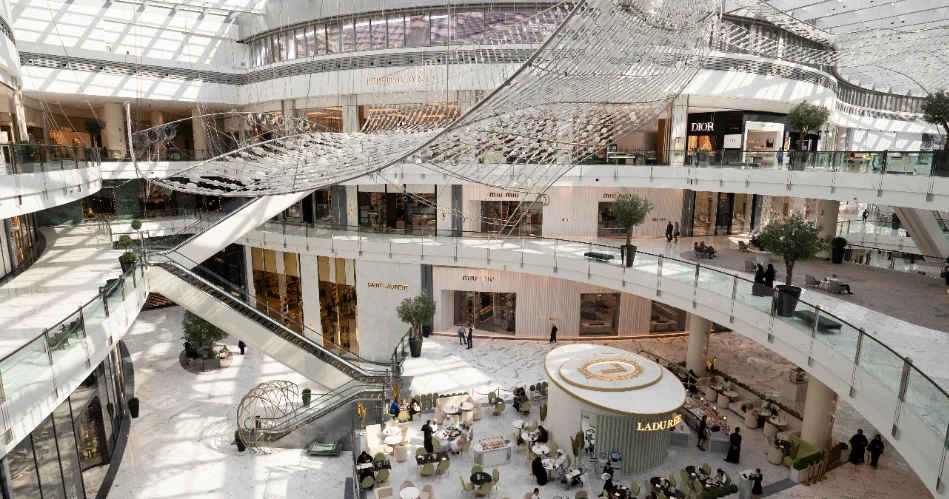
Dubai Mall is situated near the Burj Khalifa in Downtown Dubai and is one of the world’s largest shopping and entertainment destinations. The mall covers an area of more than 1 million square meters and features over 1,200 retail stores and around 200 dining places. It also offers luxury shopping for visitors at Fashion Avenue, with brands such as Versace and Burberry.
In addition to shopping, the mall is home to the Dubai Aquarium and Underwater Zoo, KidZania, Dubai Ice Rink, and a large indoor cinema complex, making it a popular place for families with kids. Other highlights of the mall include the indoor fountain, which is one of the mall’s most photographed spots, and The Village, which features a retractable roof that opens during cooler months for an outdoor shopping experience.
Address: Downtown Dubai, Dubai, United Arab Emirates.
Dubai Fountain
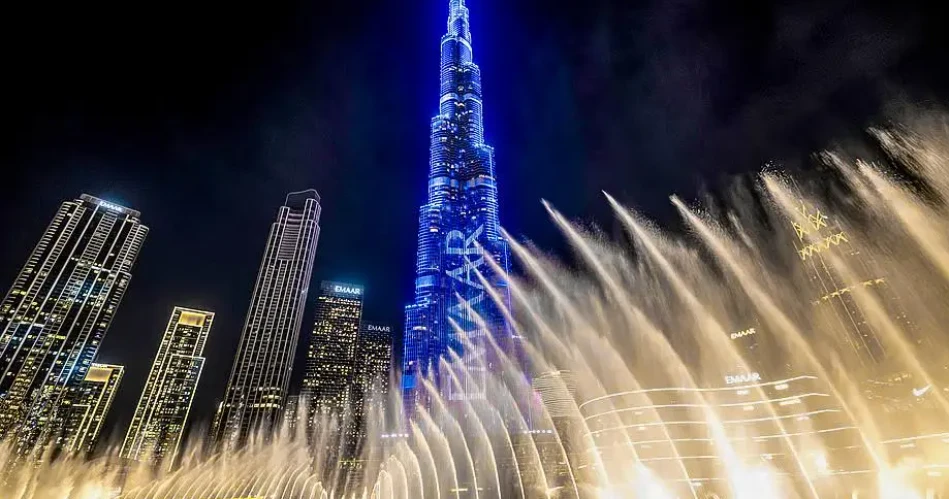
The Dubai Fountain is situated on Burj Lake near Dubai Mall and Burj Khalifa and is one of the most popular attractions in Downtown Dubai. It features choreographed displays that combine lights, music, and powerful water jets, creating a beautiful show against the illuminated backdrop of Burj Khalifa. The fountain can shoot up to 22,000 gallons of water to a height of 140 meters, making its performance visible from across Downtown Dubai.
It was reopened in October 2025 after renovation and now features upgraded blue lake tiles and enhanced visual effects. If you want the closest experience, visit the 272-meter Dubai Fountain Boardwalk, which is situated at the base of the Burj Khalifa and brings visitors within approximately nine meters of the water displays, offering breathtaking views of both the fountain and Burj Khalifa.
Address: Sheikh Mohammed bin Rashid Boulevard, Downtown Dubai, Dubai, United Arab Emirates.
Museum of the Future
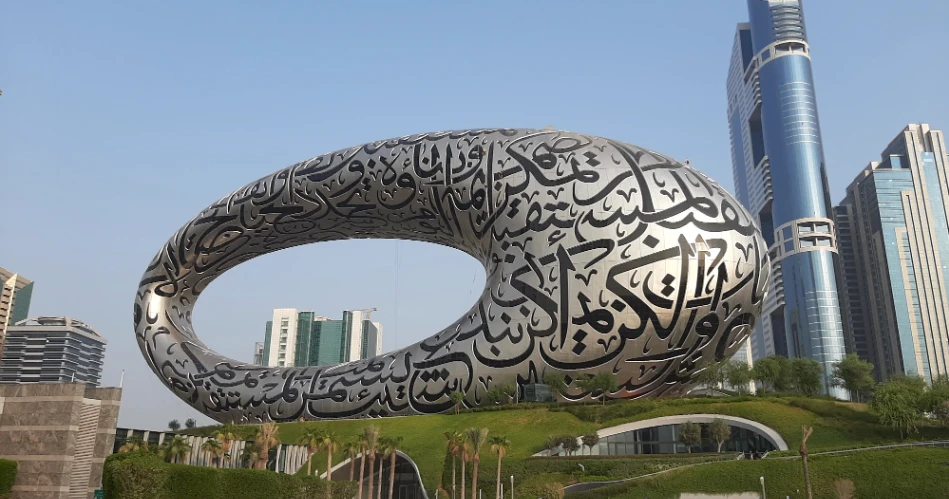
The Museum of the Future is situated on Sheikh Zayed Road and is one of the most modern attractions of New Dubai. It features a stainless-steel tours-shaped structure that is covered with Arabic calligraphy featuring poetry about innovation and humanity’s future.
Inside, the seven-floor museum presents interesting experiences that allow visitors to explore space, science, technology, sustainability, and human development. You can start your journey with a futuristic elevator ride and then explore exhibitions that imagine life in 2071.
Other famous experiences include OSS Hope, which is a space station concept set 600 kilometers above Earth, and the Heal Institute, which explores environmental restoration through a digital rainforest. Compared to a traditional museum, it contains few historical artifacts and instead encourages visitors to imagine possible futures.
Address: Sheikh Zayed Road, Dubai, United Arab Emirates.
Dubai Opera
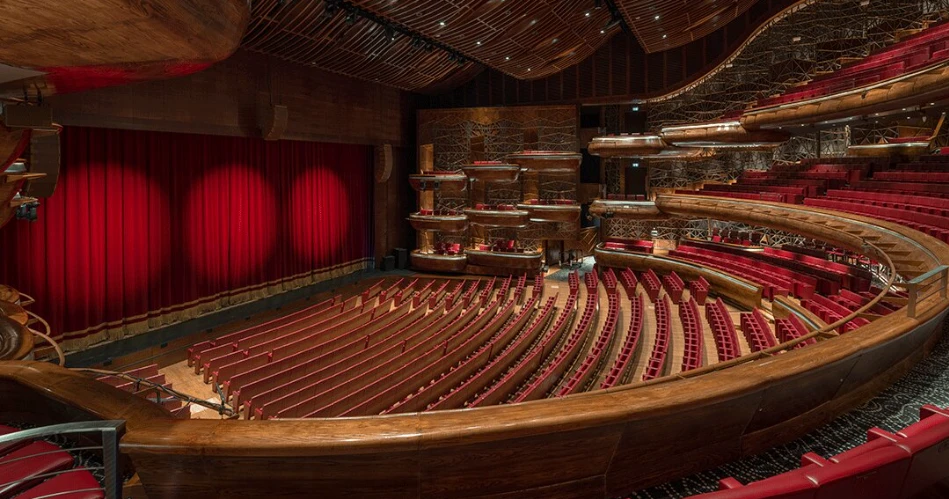
Dubai Opera is situated in Downtown Dubai near Burj Khalifa and is a 2,000-seat performing arts center designed in the shape of a traditional dhow, reflecting the maritime history of the UAE. The venue was opened as part of Downtown Dubai’s Opera District and hosts a diverse program of theatre, opera, ballet, musicals, classical concerts, and comedy performances.
Its flexible design allows the auditorium to transform from a traditional theatre into a concert hall or a flat-floor event space. Visitors can also explore the building’s architecture and enjoy views of Burj Khalifa from its lobby. The venue is accessible by Dubai Metro, with Dubai Mall station approximately a 10-minute walk away.
Address: Sheikh Mohammed bin Rashid Boulevard, Downtown Dubai, Dubai, United Arab Emirates.
Dubai Frame
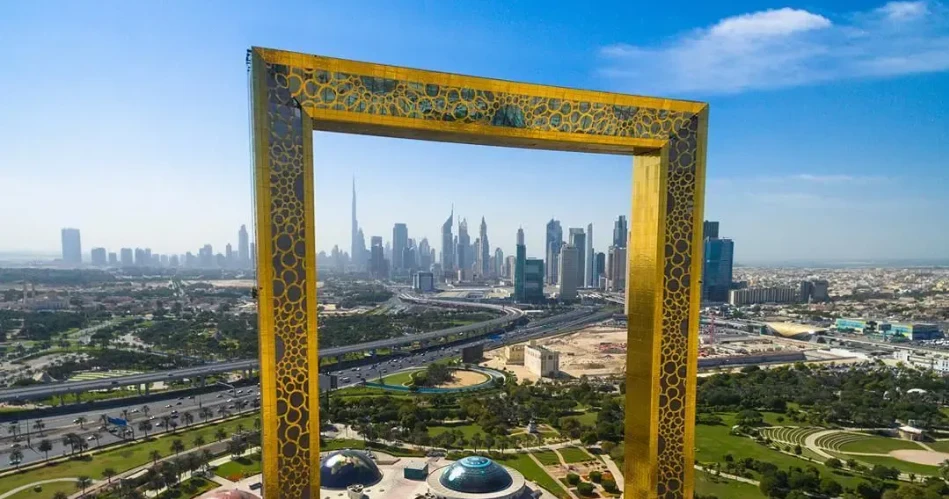
The Dubai Frame is situated in Zabeel Park and is a striking 150-meter-high landmark that is designed to showcase the transformation of Dubai from its historic roots to its futuristic skyline. It is approximately 150 meters tall and 95 meters wide and offers breathtaking views of Old Dubai to the north and modern Dubai to the south.
Inside, visitors can also explore galleries using animations, traditional sounds, holograms, and scents to experience the city’s past. It is also home to the Sky Deck that features a 50-meter-long floor that becomes transparent as visitors walk across it, creating a thrilling experience above the park.
Moreover, it also features The Future Zone, which uses immersive technology to imagine Dubai 50 years ahead and consists of concepts such as flying taxis, space exploration, and underwater living.
Address: Zabeel Park, Gate 4, Dubai, United Arab Emirates.
Burj Al Arab
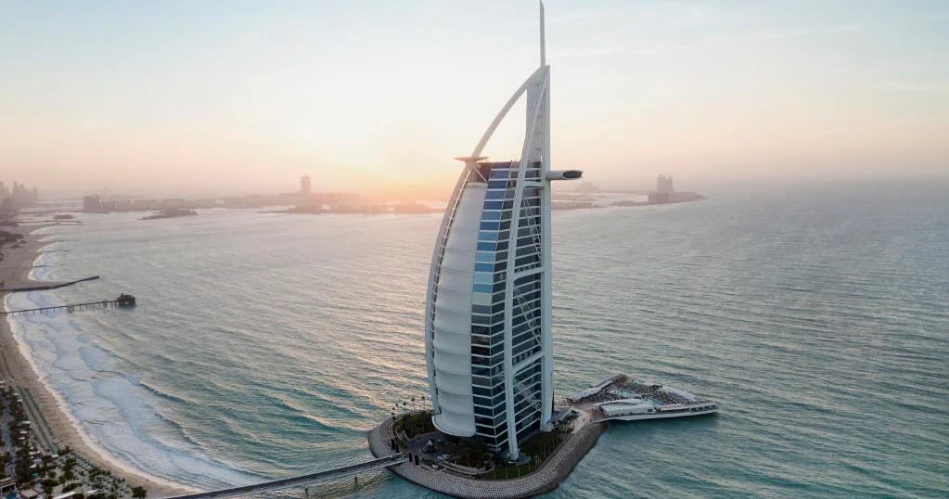
The Burj Al Arab is one of the most recognizable architectural structures of Dubai that rises to a height of 321 meters above an artificial island about 280 meters offshore from Jumeirah Beach. It was opened in 1999 and features a distinctive sail-shaped design that was inspired by the traditional dhow.
It is a luxury all-suite hotel that is operated by Jumeirah and is renowned for its lavish interiors, fine-dining restaurants, and expansive 10,000-square-meter Burj Al Arab Terrace. Its helipad, which is positioned about 210 meters above ground, has hosted high-profile sporting and promotional events. The Burj Al Arab is also associated with Dubai’s famous “seven-star” reputation and helped establish the city as a global luxury destination.
Address: Jumeirah Burj Al Arab, Jumeirah Street, PO Box 74147, Dubai, UAE.
Comparison Between The Old And New Dubai
Old and New Dubai represent two different stages of the development of the city; however, both contribute to the identity of Dubai. Old Dubai features Dubai Creek, Al Fahidi, Deira, and traditional souks and is characterized by heritage buildings, wind-tower houses, narrow lanes, and affordable local eateries serving Middle Eastern, Emirati, Indian, and Pakistani cuisines.
It offers more budget-friendly experiences and accommodation. New Dubai is home to Downtown Dubai, Palm Jumeirah, and Dubai Marina and features skyscrapers, fine dining eateries, luxury hotels, designer brands, and entertainment.
The cost of New Dubai is higher; however, the modern districts provide more upscale experiences. The contrast is most visible architecturally: Old Dubai features traditional design and trading heritage, while New Dubai features engineering, futuristic structures, and large-scale urban development.
Choose Samaya Hotel Deira for a comfortable stay in Dubai’s Deira district, with spacious accommodations and a rooftop pool overlooking Dubai Creek. Check availability and book Samaya Hotel Deira for a convenient Dubai stay.

About Author
Amelia has a great eye for photography. She has traveled to over 30 countries and has produced great videography and photos, along with penning them down with her writing skills. She has also worked with many top travel photographers.